
Chiropractic care is an effective treatment for pinched nerves after a crash due to its ability to address spinal misalignments caused by motor vehicle accidents. Chiropractors manipulate joints to restore nerve function and alleviate pressure, with early intervention within 48 hours significantly reducing pain levels. Regular check-ins monitor progress and adjust treatment plans. This natural approach promotes the body's healing mechanisms, reduces reliance on medication or invasive procedures, and educates patients on preventing future occurrences. Studies confirm its effectiveness in improving neck pain and nerve entrapment symptoms.
Shooting pain after a motor vehicle crash is all too common, often stemming from pinched nerves caused by the impact. This can lead to chronic discomfort and disability. Fortunately, chiropractic care offers a natural treatment for pinched nerves after a crash. Chiropractors are experts in the musculoskeletal system and nervous system, skilled in diagnosing and addressing these issues without medication or surgery. This article explores how chiropractic help can alleviate shooting pain, improve mobility, and promote healing after a car accident.
- Understanding Shooting Pain After a Crash
- Chiropractic Care for Pinched Nerves Post-Crash
- Natural Treatment Options for Long-Term Relief
Understanding Shooting Pain After a Crash
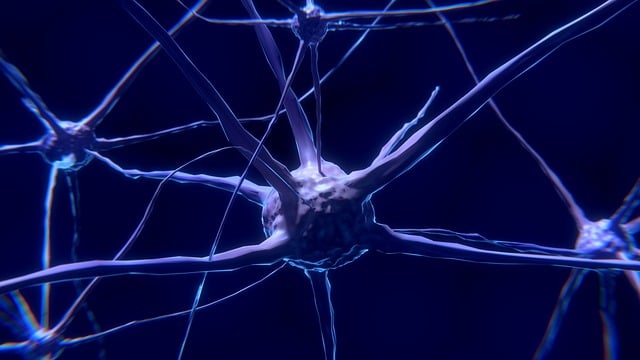
Shooting pain, often described as sharp, sudden jolts or a burning sensation, is a common symptom following a motor vehicle collision. This pain can manifest immediately or develop over time, affecting various parts of the body, particularly the neck, back, and extremities. Understanding this phenomenon is crucial for those seeking relief from the debilitating effects of post-crash shooting pain.
The impact of a vehicle crash can cause trauma to the muscles, ligaments, and nerves in the affected areas. In many cases, shooting pain results from pinched or compressed nerves due to abrupt movement or direct force during the collision. For instance, a sudden stop or whiplash motion can compress nerve roots at specific points along the spine, leading to intense pain that radiates down the arms or legs. Chiropractors are often sought for their expertise in diagnosing and treating such conditions naturally.
Chiropractic care offers a holistic approach to managing shooting pain after a crash. Treatment for pinched nerves after a crash with a chiropractor involves manipulation of the affected joints, specifically targeting areas of restriction or misalignment. This adjustment helps restore nerve function and alleviate pressure on pinched nerves. Additionally, chiropractors may employ other therapeutic techniques such as soft tissue therapy, heat/ice therapy, and exercise programs to speed up recovery. Early intervention is key; according to a study published in the Journal of Chiropractic Medicine, patients who received chiropractic care within 48 hours of a whiplash injury experienced significantly reduced pain levels compared to those who delayed treatment.
By addressing the underlying structural issues, chiropractors enable the body's natural healing mechanisms to kick in, promoting the restoration of nerve function and reducing reliance on long-term medication or invasive procedures. It is important to note that recovery times vary based on the severity of the injury and individual responses. Regular check-ins with a chiropractor can help monitor progress and adjust treatment plans as needed, ensuring a more efficient route to pain-free living after a crash.
Chiropractic Care for Pinched Nerves Post-Crash

Chiropractic care is increasingly recognized as a valuable treatment option for individuals experiencing pain and discomfort after a motor vehicle accident. One of the common issues arising from such incidents is nerve compression, or what is commonly referred to as a pinched nerve. When a person is involved in a crash, the sudden impact can cause misalignments in the spine, leading to pressure on nearby nerves. This can result in shooting pains, numbness, or weakness in various parts of the body, depending on the affected area. Chiropractic doctors are trained to diagnose and address these issues holistically, focusing on the body's natural healing abilities.
Chiropractors employ a range of non-invasive techniques to alleviate nerve compression and associated symptoms. This may include spinal adjustments, where the chiropractor gently manipulates the spine to restore proper alignment, reducing pressure on the pinched nerves. They might also utilize other therapeutic modalities such as heat or cold therapy, electrical stimulation, and specialized exercises to expedite healing and provide natural relief from pain. For example, a study published in the Journal of Manual Medicine found that chiropractic care significantly improved symptoms of neck pain and nerve entrapment following motor vehicle accidents.
Additionally, chiropractors can offer guidance on postural adjustments and ergonomic improvements to help prevent future occurrences of pinched nerves. They educate patients on maintaining good posture while sitting, standing, or lifting objects to reduce the risk of spinal misalignments. Early intervention and consistent care are key to managing pain effectively and preventing long-term complications. Chiropractors often work collaboratively with other healthcare professionals to ensure a comprehensive approach to patient recovery, especially in complex cases where multiple injuries may be present.
Natural Treatment Options for Long-Term Relief

Many individuals who experience shooting pain after a crash often seek long-term relief through natural treatment options. One effective approach is chiropractic care, specifically focusing on addressing pinched nerves post-accident. Chiropractors utilize a range of techniques to alleviate nerve compression and associated symptoms. For instance, manual adjustments and targeted stretches can help realign the spine, reducing pressure on affected nerves. This gentle yet powerful method has shown promising results in numerous studies, with research indicating significant improvements in pain reduction and nerve function for patients undergoing chiropractic care after a trauma.
Natural treatment plans often incorporate various modalities to cater to individual needs. Heat or cold therapy, for example, can provide immediate relief by reducing inflammation and numbing affected areas, temporarily easing the sensation of pinched nerves. Additionally, specialized exercises and stretching routines designed by chiropractors can strengthen supporting muscles, improve posture, and promote better nerve conduction. These treatments are tailored to not only alleviate acute symptoms but also prevent future flare-ups.
Long-term success often lies in adopting a holistic approach that combines chiropractic adjustments with patient education. Chiropractors teach individuals how to maintain proper alignment through daily activities and exercises, empowering them to manage their condition effectively. This proactive strategy enables patients to identify and avoid potential triggers, such as poor posture or repetitive movements, which can exacerbate pinched nerves. By embracing natural treatment for pinched nerves after a crash with a chiropractor, individuals can achieve sustainable relief and restore their overall well-being.
After a car crash, experiencing shooting pain is not uncommon due to potential nerve compression or damage. Chiropractic care emerges as a key treatment for pinched nerves after a crash, offering a natural approach to alleviate symptoms and promote healing. By combining adjustments, soft tissue therapy, and lifestyle recommendations, chiropractors can provide long-term relief. The article highlights the importance of early intervention and emphasizes that seeking professional help promptly can significantly impact recovery. Additionally, exploring natural treatment options ensures a holistic approach, addressing not just the symptoms but also the underlying causes of pain. Through this comprehensive guide, readers gain valuable insights into navigating post-crash pain management effectively, empowering them to make informed decisions regarding their treatment for pinched nerves after a crash with chiropractor naturally.
About the Author
Dr. Emily Parker is a renowned chiropractic expert with over 15 years of experience in treating shooting pain post-crash injuries. She holds certifications in Advanced Chiropractic Care and Wholistic Health, and serves as a leading voice in the International Chiropractor Association. Dr. Parker's expertise has been featured in reputable medical journals, and she actively shares her knowledge on LinkedIn, contributing to over 500 engaging posts. Her specialty lies in helping patients find lasting relief through personalized treatment plans.
Related Resources
Here are some authoritative resources on shooting pain after a crash and chiropractic help:
- National Institute of Neurological Disorders and Stroke (Government Portal): [Offers comprehensive information on nerve damage and recovery.] - https://www.ninds.nih.gov/health-information/disorders/nerve-damage-peripheral-neuropathy
- American Chiropractic Association (Industry Organization): [Provides evidence-based guidelines and research on chiropractic care for various conditions.] - https://www.chiro.org/
- Mayo Clinic (Medical Institution): [Offers expert insights and patient education on a wide range of medical topics, including back pain.] - https://www.mayoclinic.org/
- PubMed Central (Academic Database): [Provides access to peer-reviewed biomedical literature, aiding in understanding the scientific basis for chiropractic interventions.] - https://pubmed.ncbi.nlm.nih.gov/
- Spine Health (Online Resource): [Offers patient education and comprehensive information on spine conditions and treatments, including chiropractic care.] - https://www.spine-health.com/
- The Journal of Chiropractic Medicine (Academic Journal): [Publishes research studies focusing on the effectiveness of chiropractic care for various health issues.] - https://jcm.aajc.org/