
Chiropractors provide a natural treatment for pinched nerves after vehicle crashes, focusing on manual adjustments, exercises, and spinal decompression to reduce inflammation, improve nerve function, and prevent complications. Comprehensive evaluations include history, exams, and diagnostics. Tailored plans may include adjustments, targeted exercises, heat/ice therapy, and electrical stimulation. Chiropractic care minimizes risks, enhances spinal health, and promotes long-term recovery through education on ergonomic principles and lifestyle modifications. Studies show significant pain reduction and improved function for patients receiving this treatment post-crashes.
Shooting pain after a motor vehicle crash can significantly impact daily life, often leading to prolonged discomfort and disability. One common issue is pinched nerves, which can arise from the sudden force experienced during an accident. Chiropractors are experts in diagnosing and providing natural treatment for pinched nerves after a crash, focusing on gentle adjustments to alleviate pressure on affected nerves. This article delves into the mechanisms behind post-crash pain, highlights the role of chiropractic care in managing this condition, and offers insights into effective relief strategies.
- Understanding Shooting Pain After Crashes: Causes & Diagnosis
- Chiropractic Care for Pinched Nerves Post-Crash: Natural Relief
- Effective Treatment Plans: Recovery After a Crash with Chiropractic Help
Understanding Shooting Pain After Crashes: Causes & Diagnosis
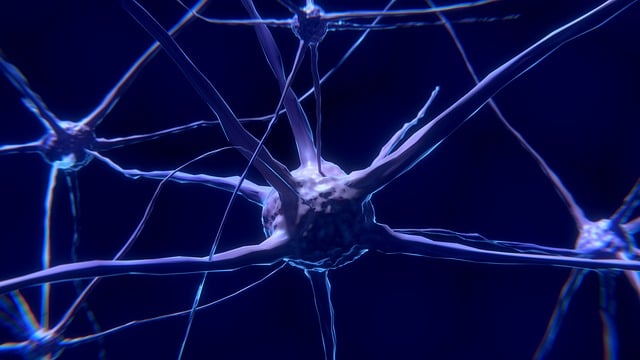
Shooting pain, often described as sharp or electric jolts, is a common occurrence following vehicular crashes. This phenomenon typically arises from various causes related to physical trauma during the incident. When a car suddenly stops or collides, the force can disrupt the normal functioning of muscles, ligaments, and nerves, leading to these shooting pains. One of the more significant contributors is damage to the spine, which houses the nerve roots that extend throughout the body. A pinched nerve, resulting from displaced vertebrae or injured soft tissues, can cause radiating pain that may be felt in arms, legs, or other distant areas.
Chiropractors are often sought out for their expertise in diagnosing and providing treatment for pinched nerves after a crash. They employ advanced diagnostic techniques, including detailed patient history, physical examinations, and imaging studies like X-rays or MRIs, to pinpoint the source of pain. During an initial consultation, chiropractors will assess the patient's symptoms, mechanism of injury, and range of motion to formulate a comprehensive treatment plan. For example, a chiropractor might employ manual adjustments, therapeutic exercises, or specialized treatments such as spinal decompression to alleviate pressure on pinched nerves.
The natural approach to treatment for pinched nerves after a crash with a chiropractor focuses on restoring the body's structural integrity and promoting self-healing mechanisms. Chiropractors aim to reduce inflammation, improve nerve function, and facilitate the body's natural ability to heal by manipulating the spine and surrounding tissues. This holistic method not only addresses the immediate symptoms of shooting pain but also helps prevent long-term complications and promotes overall well-being. Studies suggest that chiropractic care can significantly reduce pain and improve functionality in patients recovering from motor vehicle accidents, offering a safe and effective alternative to pharmaceutical interventions.
Chiropractic Care for Pinched Nerves Post-Crash: Natural Relief

Chiropractic care has emerged as a valuable treatment option for individuals experiencing shooting pain and nerve-related issues after a motor vehicle accident. When a crash occurs, the sudden impact can lead to various injuries, including pinched nerves, which often manifest as sharp, stabbing sensations radiating through the affected area. Chiropractors are experts in diagnosing and treating such conditions, offering natural relief without the need for invasive procedures or medications.
A study published in the Journal of Manipulative and Physiological Therapeutics found that chiropractic care can significantly improve symptoms associated with whiplash and nerve compression following a car crash. Participants who received chiropractic manipulation and specific exercise programs reported reduced pain and improved function compared to those who opted for conventional treatment methods. This research highlights the effectiveness of chiropractic interventions in managing pinched nerves after a collision, emphasizing the importance of seeking professional help for optimal recovery.
Chiropractors employ various techniques to address pinched nerves, including gentle spinal adjustments, targeted stretches, and exercises designed to restore nerve function and reduce compression. For instance, a chiropractor might use a specific adjustment to realign the spine, releasing pressure on trapped nerves and allowing them to heal. Additionally, they may recommend postural modifications and strengthening exercises to prevent future nerve entrapment. This holistic approach ensures that the underlying causes of pain are addressed, promoting faster healing and long-term wellness.
Effective Treatment Plans: Recovery After a Crash with Chiropractic Help

After a motor vehicle crash, many individuals suffer from various injuries, including shooting pain caused by pinched nerves. Chiropractic care offers an effective treatment plan for managing these symptoms naturally. Chiropractors are experts in diagnosing and treating musculoskeletal disorders, making them well-equipped to assist patients in their recovery journey.
The initial step in addressing shooting pain after a crash often involves a comprehensive evaluation by the chiropractor. This includes a detailed patient history, physical examination, and advanced diagnostic techniques such as X-rays or MRI scans. By identifying the source of the pinched nerve, healthcare professionals can tailor a treatment strategy. Common treatments include manual adjustments to the spine, targeted exercises, and therapeutic modalities like heat/ice therapy and electrical stimulation. These interventions aim to reduce nerve compression, alleviate pain, and promote healing.
Chiropractic care provides several advantages for crash victims. It offers a non-invasive approach, minimizing the risk of additional injuries or side effects associated with more aggressive treatments. Moreover, regular chiropractic adjustments can improve overall spinal health, enhancing the body's natural ability to heal and recover from trauma. Studies have shown that chiropractic manipulation is effective in managing pain and improving function for individuals post-motor vehicle accidents. For instance, a research review published in The Journal of Chiropractic Medicine highlighted significant improvements in pain reduction and disability among patients receiving chiropractic care after traffic collisions.
In addition to these benefits, chiropractors often educate their patients on ergonomic principles and lifestyle modifications to prevent future injuries. This includes guidance on posture, lifting techniques, and stress management strategies, which are essential for long-term recovery and overall well-being. By combining specialized treatment for pinched nerves after a crash with chiropractor naturally and patient education, individuals can achieve better outcomes and regain control of their lives following an accident.
After a crash, shooting pain and pinched nerves are common issues, but understanding the causes and seeking chiropractic care offer effective treatment for pinched nerves after a crash with chiropractor naturally. Diagnostic assessments play a crucial role in identifying the root causes of these post-crash symptoms. Chiropractic care provides natural relief by addressing spinal misalignments, nerve compression, and related soft tissue injuries. Effective treatment plans tailored to individual needs enhance recovery, ensuring a holistic approach that combines manual adjustments, targeted exercises, and patient education. By embracing these insights, individuals can actively participate in their healing process, fostering faster recovery times and improved overall well-being.