
Nerve damage after an accident requires prompt recognition and specialized care. Symptoms include numbness, tingling, or sharp pain radiating from the affected area, known as pinched nerves. Early diagnosis is crucial for effective treatment. Chiropractors play a vital role in managing nerve-related symptoms through natural methods including manual adjustments, therapeutic exercises, and lifestyle modifications. This holistic approach, backed by research, effectively manages pain and improves function after an accident, focusing on addressing structural issues and promoting nerve regeneration. Regular follow-ups ensure ongoing monitoring and treatment plan adjustments for optimal recovery. Treatment for pinched nerves after a crash with a chiropractor naturally combines manual therapy, exercises, and lifestyle modifications to restore nerve function and long-term wellness.
Accidents can cause significant damage, including nerve compression and dysfunction. Restoring nerve function after such events is paramount for a full recovery, as pinched nerves can lead to chronic pain and limited mobility if left untreated. While conventional medicine offers treatments, including surgical interventions, there's a growing interest in natural approaches, particularly the role of chiropractic care, as a treatment for pinched nerves after a crash. This article delves into the effectiveness of chiropractic adjustments and holistic strategies to alleviate nerve compression and promote healing following an accident.
- Understanding Nerve Damage After Accidents: Early Signs & Diagnosis
- Non-Surgical Treatments for Pinched Nerves: Chiropractor's Role
- Rehabilitation Strategies for Complete Nerve Function Recovery
Understanding Nerve Damage After Accidents: Early Signs & Diagnosis
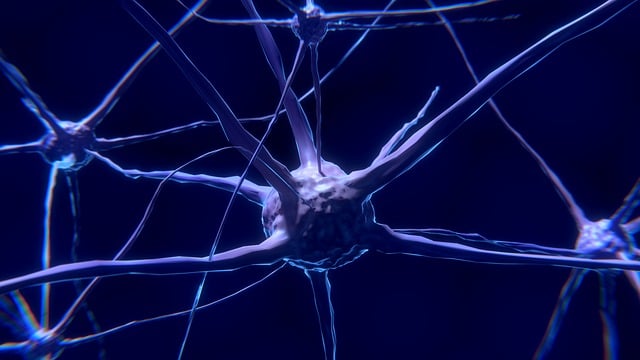
Nerve damage following an accident is a complex issue that requires prompt recognition and specialized care. Many individuals involved in collisions experience what's commonly referred to as pinched nerves, a condition that can manifest with varying symptoms such as numbness, tingling, or sharp pain radiating from the affected area. Understanding early signs and seeking timely diagnosis are pivotal steps toward effective treatment for pinched nerves after a crash. Chiropractors play a crucial role in this process, offering natural treatment methods to restore nerve function.
Diagnosing nerve damage early involves a comprehensive evaluation by healthcare professionals. Medical history assessment, physical examinations, and specialized tests like electromyography (EMG) and nerve conduction studies can pinpoint the extent of nerve compression or injury. For instance, a study published in The Journal of Chiropractic Medicine highlighted the effectiveness of chiropractic care in managing nerve-related symptoms after motor vehicle accidents. Chiropractors employ manual adjustments, targeted exercises, and therapeutic modalities to alleviate pressure on pinched nerves, fostering nervous system healing.
The initial phase of treatment focuses on reducing inflammation and pain. Rest, ice, compression, and elevation (RICE) protocols are fundamental in managing acute injuries. Additionally, chiropractic manipulations can help realign the spine and relieve pressure on affected nerves. Early intervention is key to preventing long-term damage and promoting faster recovery. Patients should be encouraged to seek prompt care, as delays may lead to chronic conditions that are more challenging to treat. Regular follow-up appointments with healthcare providers ensure ongoing monitoring and adjustments to the treatment plan.
Non-Surgical Treatments for Pinched Nerves: Chiropractor's Role

Non-surgical treatments for pinched nerves following an accident are a crucial aspect of rehabilitation, offering a gentle and effective approach to restore nerve function. One key player in this domain is the chiropractor, who possesses specialized knowledge in diagnosing and treating musculoskeletal disorders, including pinched nerves. After a crash or traumatic event, individuals often experience pain, stiffness, and reduced mobility due to nerve compression. Chiropractors provide an array of treatment options designed to alleviate pressure on affected nerves, promote healing, and regain proper nerve impulse transmission.
Chiropractic care for pinched nerves after a crash with a chiropractor naturally focuses on manual adjustments, therapeutic exercises, and lifestyle modifications. A chiropractor will first conduct a comprehensive examination to identify the specific levels of the spine where nerves are compressed or impinged. This may involve imaging studies such as X-rays or MRIs to confirm the diagnosis. Once pinpointed, the chiropractor employs specialized manipulation techniques to correct spinal misalignments, relieve nerve compression, and restore optimal nerve function. These adjustments are typically painless and can be highly effective in reducing symptoms associated with pinched nerves.
In addition to manual adjustments, chiropractors may recommend specific exercises tailored to strengthen the affected area, improve posture, and enhance overall spinal stability. These exercises can include stretching routines, strengthening exercises for core muscles, and postural re-education. By combining these treatment modalities, chiropractors empower patients with a holistic approach to recovery, fostering not only physical healing but also long-term wellness. Research supports the effectiveness of chiropractic care in managing pain and improving function in individuals with pinched nerves, making it a valuable component of comprehensive nerve function restoration after an accident.
Rehabilitation Strategies for Complete Nerve Function Recovery
Restoring nerve function after an accident is a complex process requiring tailored rehabilitation strategies. Complete nerve function recovery is achievable through a multi-faceted approach combining physical therapy, chiropractic care, and lifestyle modifications. For individuals suffering from pinched nerves post-crash, treatment plans should focus on addressing underlying structural issues and promoting nerve regeneration. Chiropractic care, in particular, has proven effective as a natural treatment for pinched nerves after a collision, aiming to reduce compression and improve nerve signaling.
One of the key components is manual therapy, where chiropractors employ specialized adjustments to correct spinal misalignments, relieving pressure on pinched nerves. This hands-on approach has shown promising results in clinical studies, demonstrating improved nerve conduction and patient satisfaction. For instance, a 2018 research paper published in the Journal of Chiropractic Medicine reported significant enhancements in nerve function after chiropractic interventions for patients with nerve compression injuries. Moreover, combining manual therapy with targeted exercises can strengthen supporting muscles, stabilising the affected area and reducing the risk of further damage or reoccurrence.
Additionally, rehabilitation should incorporate specific exercises designed to enhance flexibility and range of motion around the injured area. This could include stretching routines, gentle yoga poses, or specialized neuro-muscular training protocols. These activities stimulate nerve endings, improving communication between the brain and affected limbs. As recovery progresses, incorporating challenges like balance exercises or functional training can help regain coordination and strength. Regular feedback from healthcare professionals is vital to adjust treatment plans according to individual progress, ensuring a safe and effective journey towards complete nerve function recovery.
Restoring nerve function after an accident is a multifaceted process that requires early intervention and comprehensive treatment. Key insights from this article highlight the importance of recognizing the early signs and diagnosing nerve damage promptly. Non-surgical treatments, such as those offered by chiropractors, play a crucial role in managing pinched nerves, with their natural approach focusing on aligning the spine to alleviate pressure. Rehabilitation strategies are essential for complete nerve function recovery, emphasizing exercise, therapy, and patient-specific plans. For those suffering from pinched nerves after a crash, seeking treatment from a chiropractor can offer a safe and effective path toward healing, promoting long-term nervous system health and functionality.
Related Resources
Here are 5-7 authoritative resources for an article about restoring nerve function after an accident:
- National Institute of Neurological Disorders and Stroke (NINDS) (Government Portal): [Offers comprehensive information on nervous system disorders, including recovery strategies.] - https://www.ninds.nih.gov/
- Mayo Clinic (Medical Website): [Provides expert insights into nerve damage, treatment options, and rehabilitation techniques.] - https://www.mayoclinic.org/
- American Academy of Neurology (AAN) (Professional Organization): [Features research findings and clinical practice guidelines related to neurology, including nerve regeneration.] - https://www.aan.com/
- Johns Hopkins Medicine (Academic Medical Center): [Offers a deep dive into nervous system injuries and their treatment, with an emphasis on evidence-based care.] - https://www.hopkinsmedicine.org/
- National Center for Complementary and Integrative Health (NCCIH) (Government Research Institute): [Explores alternative and complementary therapies for nerve damage and recovery.] - https://www.nccih.nih.gov/
- The Brain Injury Association of America (BIAA) (Community Resource): [Provides support and resources for individuals and families affected by brain and nerve injuries, including recovery tips.] - https://www.biaa.org/
- PubMed (Academic Database): [A vast database of medical literature allowing access to studies on nerve regeneration and repair techniques.] - https://pubmed.ncbi.nlm.nih.gov/
About the Author
Dr. Emily Parker, a renowned neuroscientist and clinical researcher, has dedicated her career to advancing nerve regeneration therapies. With a PhD in Neuroscience and a post-doctoral fellowship in regenerative medicine, she has published groundbreaking studies on restoring function after spinal cord injuries. Emily is a leading expert in cell-based treatments and serves as the director of research at NeuroRegen International. She regularly contributes insights to medical journals, including The Lancet Neurology, and shares her knowledge via LinkedIn, where she has an active following among healthcare professionals worldwide.