
Pinched nerves after a crash cause tingling, numbness, and "pins-and-needles" sensation, impacting daily life. Diagnosis involves medical history, physicals, and tests. Chiropractors play a crucial role in identifying nerve compression severity through diagnostic techniques. Treatment for pinched nerves after a crash with a chiropractor naturally focuses on relieving pressure, reducing inflammation, and promoting nerve healing via adjustments, physical therapy, exercises (e.g., gentle stretches), lifestyle modifications, and mindfulness practices. Early intervention is essential to minimize long-term effects and restore normal function.
Tingling and numbness resulting from a pinched nerve after a crash is a common concern, often requiring immediate attention to prevent long-term damage. A sudden impact can lead to misalignment of the spine, causing pressure on nearby nerves, resulting in these unpleasant symptoms. While conventional treatments exist, many seek natural alternatives, including treatment for pinched nerves after a crash with a chiropractor. This article delves into the causes, symptoms, and offers a comprehensive guide to non-invasive, naturally focused solutions to alleviate pain and restore nerve function effectively.
- Understanding Tingling and Numbness: Causes and Diagnosis
- Natural Remedies for Pinched Nerves After an Accident
- Effective Treatment Plans: Chiropractor's Role in Recovery
Understanding Tingling and Numbness: Causes and Diagnosis
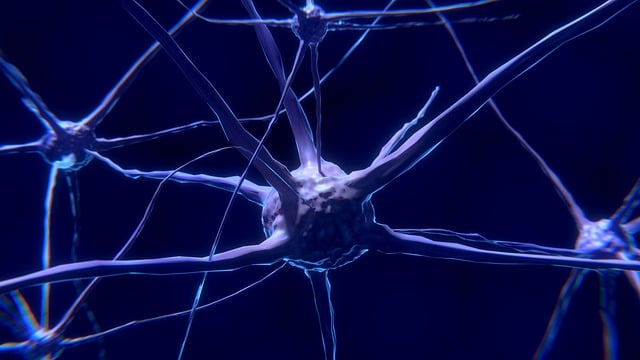
Tingling and numbness, often described as a "pins-and-needles" sensation or a feeling of "falling asleep" in the affected area, are common symptoms resulting from a pinched nerve—a condition that can arise after traumatic events like car crashes. Understanding these sensations requires delving into the causes and diagnosis, which is crucial for effective management and recovery.
The pinched nerve typically occurs when a spinal nerve becomes compressed or irritated due to various factors, such as whiplash injuries from car accidents or direct trauma. In such cases, tingling and numbness radiate from the affected area, often spreading along specific nerves and pathways in the body. For instance, a pinched nerve in the neck can cause symptoms to travel down the arms and into the hands, while a compressed nerve in the lower back might result in sensations extending down the legs. These symptoms are not only uncomfortable but can significantly impact daily activities and quality of life.
Diagnosing the condition involves a comprehensive approach that includes medical history assessment, physical examinations, and sometimes specialized tests like electromyography (EMG) or nerve conduction studies. Chiropractors play a vital role in identifying pinched nerves, especially after traumatic events like car crashes. They employ various diagnostic techniques to pinpoint the affected area and assess the severity of nerve compression. Once diagnosed, treatment for pinched nerves after a crash with a chiropractor naturally focuses on relieving pressure, reducing inflammation, and promoting nerve healing. This may include chiropractic adjustments, physical therapy, and lifestyle modifications to ensure a speedy recovery without relying heavily on medications. Early intervention is key to minimizing long-term effects and restoring normal function.
Natural Remedies for Pinched Nerves After an Accident

Tingling and numbness resulting from a pinched nerve after an accident can be distressing. While medical intervention is often necessary, incorporating natural remedies into your recovery plan can complement traditional treatments. A chiropractor, for instance, might suggest specific exercises to improve nerve compression relief, such as gentle stretches or targeted movements designed to reduce pressure on the affected area. For example, in cases of pinched nerves after a car crash, a chiropractor could guide patients through careful adjustments to alleviate symptoms naturally.
Herbal remedies and essential oils also show promise in managing pain and inflammation associated with pinched nerves. Ginger, well-known for its anti-inflammatory properties, can be applied topically or consumed orally to ease discomfort. Similarly, peppermint oil, when diluted, can offer a cooling sensation that temporarily numbs the affected region, providing some relief from tingling sensations. It's crucial, however, to consult with healthcare professionals before incorporating any herbal treatments, as individual reactions may vary.
In addition to physical and alternative therapies, making lifestyle adjustments plays a significant role in managing pinched nerves naturally. Maintaining good posture during daily activities can prevent further compression. Supportive cushioning in beds and chairs, for instance, can help alleviate pressure on sensitive areas. Additionally, regular practice of mindfulness techniques like meditation or yoga may aid in reducing stress levels, which in turn can alleviate symptoms of nerve compression. By combining these natural remedies with professional treatment for pinched nerves after a crash with chiropractor, individuals can foster a more holistic and effective recovery process.
Effective Treatment Plans: Chiropractor's Role in Recovery

Tingling and numbness resulting from a pinched nerve, often experienced after a crash or traumatic event, can be a significant source of discomfort and impairment. Effective treatment plans are crucial for a successful recovery, and a chiropractor plays a vital role in addressing these issues naturally. Chiropractors specialize in diagnosing and treating musculoskeletal disorders, including those caused by nerve compression. They offer non-invasive approaches that target the root cause of the problem rather than merely alleviating symptoms.
One of the primary methods a chiropractor employs is manual adjustment or manipulation. This technique involves applying controlled force to restore joint mobility and alleviate pressure on the pinched nerve. Chiropractors carefully assess the affected area, identifying specific joints or areas of restriction that contribute to the tingling and numbness. Through careful manipulation, they can decompress the spine, relieve pressure on nerves, and promote healing. For instance, a study published in the Journal of Manipulative and Physical Therapy found that chiropractic care significantly improved symptoms of arm and leg pain associated with pinched nerves in patients post-crash.
Additionally, chiropractors often incorporate other therapeutic modalities into treatment plans. This may include exercise programs tailored to strengthen muscles supporting the spine and improve overall posture. They might also suggest specific stretches or home exercises to alleviate pressure on pinched nerves, providing long-term relief. For instance, a patient experiencing tingling and numbness in their hands after a car accident might benefit from targeted wrist and arm exercises recommended by their chiropractor, alongside manual adjustments to address spinal misalignments contributing to the condition.
Understanding the causes and diagnosis of tingling and numbness from a pinched nerve is crucial for effective treatment. This article has outlined key insights on managing this condition, including natural remedies and the vital role chiropractors play in recovery after an accident. The most important takeaway is that a comprehensive treatment plan, integrating both natural approaches and professional care, offers the best path to recovery. For those experiencing symptoms following a crash, seeking treatment for pinched nerves after a crash with chiropractor naturally can significantly enhance healing and restore comfort. This expert guidance ensures a tailored approach, addressing specific needs and promoting long-term relief.